
Angie Baughman
From Study to Story: Letting Scripture Shape Your Writing
Without Distorting It
It’s easy to quote Scripture. It’s harder to handle it well. In this session, Angie teaches her Step By Step Bible study method, helping writers move beyond surface-level use of Scripture into a deeper, more accurate understanding.
Participants will learn how to study a passage, discern its meaning, and write from a place of genuine connection so their words reflect truth, not just inspiration.

S.E. Clancy
Handy Dandy Canva
(This workshop will be taught jointly with Hannah Prewett)
What if you could use the free Canva program for your platform AND graphics AND writing AND branding? This versatile website (and app) can give you a leg up on your journey. Imagination and creativity will help us solve the mystery!
 Rachel Dodge
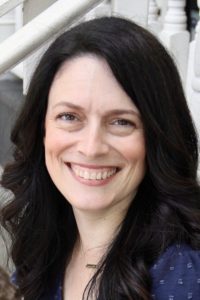 Rachel Dodge
1. Structuring Your Devotional Book: A to Z
Explore devotional writing at the book level. Learn to structure every part of your book, including front matter, introduction, individual entries, citations, and back matter.
Come ready to brainstorm, take notes, and leave with a working outline.
2. Platform Building 101: Tips, Tools, & Strategies for Writers
Cut through the noise and build a platform that works. Learn where to start, how to attract your ideal audience, and what readers truly want from you.
Leave with a strategic plan and practical steps to keep moving forward.
Stephanie Dooley
 Stephanie Dooley
Crafting a Newsletter People Want to Read
Newsletters are perfect for building and sustaining readership. Unlike social media with algorithm hoops, you speak directly to your followers. But are they listening?
Discover how to craft a vibrant newsletter people love and gain readers.
Lindsay Franklin
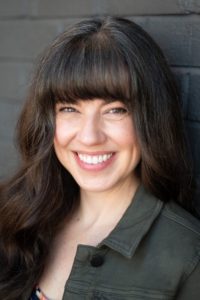 Lindsay Franklin
TBD
Lindsay will be teaching three workshops.
 Sean Gaffney
 Sean Gaffney
1. Writing Deeper Characters Using Biblical Techniques
Create characters using Biblical techniques, like those used in Jesus’ parables as well as in the histories of the Old Testament, and see how they are used by writers today. Includes reluctant heroes, want vs need, character paradox and contagonists.
2. Cracking the Code: Story Structure that Works
There is a universal form for stories from bedtime stories for kids to those we drive to the movie houses to watch. We will use a simple formula to demystify structure, look at the role of every scene, and reveal why G-d hardwires story into us.
3. Is Your Book Ready for Its Closeup? A Practical Workshop on Adapting Books for Film & TV
Looking to adapt your novel to the screen? Have an idea begging to be filmed? This workshop looks at good movie ideas, explores the language of film vs the language of literature, and outlines the pitfalls that make studios turn down pitches.
Chanté Griffin
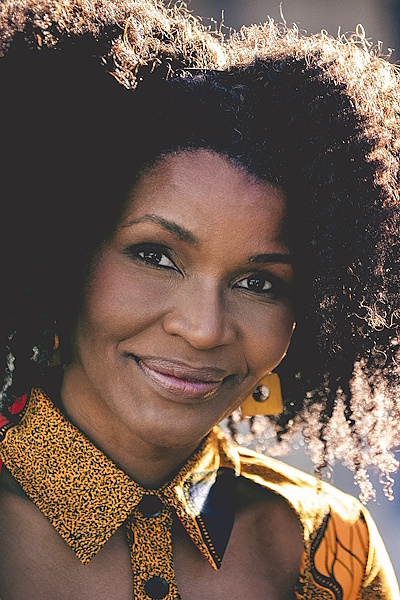 Chanté Griffin
1. Writing for Mainstream Magazines: How to Break-In
Do you want to write for publications like Parents, Good Housekeeping, and Vogue?
If you answered “yes,” then this workshop will teach you how to utilize your background, identify potential publications, approach editors, and introduce yourself to influential publications.
2. How to Win Grants & Influence People
Want to learn how to win grants to fund your writing? Excited to learn how to secure patrons through platforms like Patreon and private foundations?
This workshop will highlight different strategies to fund your creative practice and ambitious writing projects.
Rick Hamlin
 Rick Hamlin
How to Write a Compelling Devotional
How to make a devotional relatable. Looking for devotional moments in your life, linking them to a spiritual message. Connecting to scripture. Offering prayer help. Writing your own prayers. Who is your reader.
Liz House
 Liz House
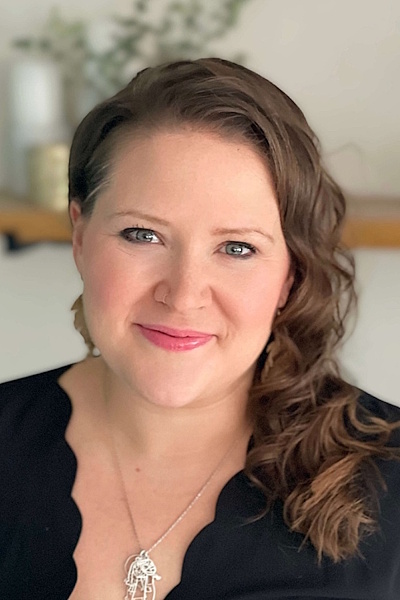
How to Keep Going When It Feels Too Hard: A Faith-
Fueled Approach to Writing Through Doubt, Pressure, Obstacles
How do you keep writing when the rejection keeps coming, the results aren’t showing, and the discouragement starts to outweigh the passion?
This workshop is for writers navigating creative pressure, rejection, comparison, burnout, and long seasons of pouring into the work with little visible reward. Blending Scripture, faith-based encouragement, and practical brain-based insights, we’ll explore how renewing your mind can help you move through fear, impostor syndrome, procrastination, and other mental barriers that often keep writers stuck.
Attendees will leave with practical tools for reframing negative thinking, understanding how stress affects creativity, building resilience through difficult seasons, and staying grounded in purpose when motivation fades. Whether you’ve been writing for years or are just beginning your journey, you’ll find bold encouragement to lean into the calling God has placed on your life through both the mountains and valleys of the writing journey.
Shadia Hrichi
 Shadia Hrichi
Who Are Beta Readers and Why Do I Need Them?
If you want to write a book, work alone.If you want to write a great book, gather beta readers. Learn what they do (and don’t do), where to find them, how to equip them for success, and how their feedback transforms a good manuscript into a great one.
David Hyde
 David Hyde
Screenwriting 101: Where to Begin
Enter into the bizarre world of using words to make pictures. The class will cover what screenwriting is, and what it isn’t. What makes it different, and how to succeed.
Tara Johnson
 Tara Johnson
1. Self-Editing for Dummies
If the thought of editing makes you break out into a cold sweat, never fear! This class will teach any writer the basics of swapping ‘tell’ for ‘show’, how to rid your story of weasel words, and elevating your current WIP into stellar shape by looking at the basics of developmental editing as well as line-by-line edits.
2. Quirky, Funny: Characters that Bring Humor to Your Story
There is nothing that can elevate a story like a quirky character.
This workshop will explore how to create lovable characters, how to sharpen your people observation skills, and students will learn the basic techniques of writing humor without turning your story into an episode of “The Three Stooges”.
Bitsy Kemper
 Bitsy Kemper
The Modern Press Kit: Yes, You Need One. Here’s What
Goes In It
You need to be ready for media interviews. If “press kit” sounds like something only for celebrities, this session will change your mind.
You’ll learn 8 key elements of a modern online press kit and walk away knowing exactly how and what to create.
Staci McLean
 Staci McLean
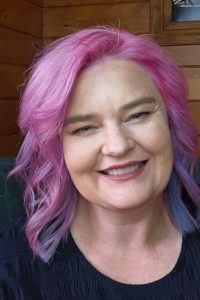
1. Authentic Author Branding: Reflecting Christ in Every
Platform
Your brand is more than a logo—it reflects your faith, message, and values.
This workshop helps Christian authors and speakers build an authentic brand across books, speaking, and social media while creating trust, consistency, and lasting impact.
2. Books Into Ministry: Creating Impact Beyond the Page
Your book can become more than a product—it can become a ministry.
Learn how to use books, speaking, and storytelling to create Kingdom impact, build authentic connection, and develop purpose-driven initiatives grounded in Christian values.
Curtis M. Miller
 Curtis M. Miller
1. How Playwrights Think: Writing Tips from the Stage
Writing for the stage means writing with restriction. With every word spoken, playwrights leverage dialogue and tension for maximum payoff.
This workshop is an introduction to those elements. Participants will try them out with basic playwriting principles—three questions, dramatic forwards, and of course, actions—and think about how they carry over to other forms of writing.
Perfect for writers who want to sharpen their craft with dramatic economy. After all: “Movies make you famous, TV makes you rich, but theater makes you good.”
2. Writing for Hire … like a Gazelle
Proverbs 22 says: “Do you see a man skilled in his work? He will stand before Kings.”
With this in mind, writing for others requires excellence, mastery, and a willingness to serve humbly. Even in the age of AI encroachment, excellent work, professionalism, and serving with no ego speaks volumes. Per God’s promise in Proverbs, it can even pay well.
Participants of this workshop will learn some nuts and bolts of writing for hire, and will engage in a candid discussion of the Christian professional’s heart, mind, and relationship to his or her clients.
 Tisha Mills
 Tisha Mills
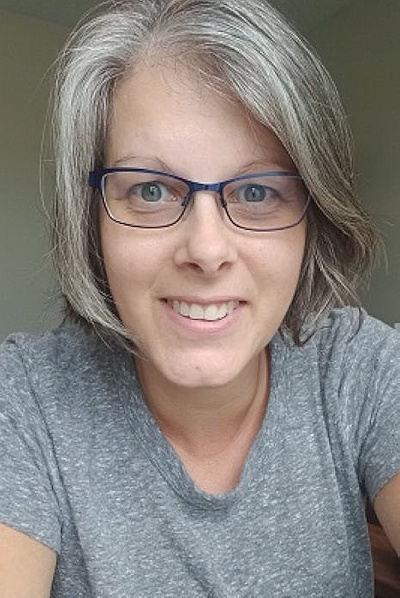
Win that Book Award
The difference between award-winning books and the rest? Five specific qualities seen in 3,000+ books I’ve judged. Not topic, platform, or even talent, but five learnable, buildable qualities.
This workshop teaches you what they are, how to recognize them, and how to develop them in your own work—so you can win that book award.
Bill Myers
 Bill Myers
1. What Teens Hunger For
As a spiritual life teacher at one of the nation’s premier prep schools, Bill has keen insights into what teens are really looking for and how to meet those needs.
2. Keys to Holding Kid/Teen Interest
As author of 80 kid books, creator of McGee and Me, writer/director of Adventures in Odyssey, and author of My Life As… (2.3 million books and counting), Bill shares a few tips he’s learned along the way.
3. Using Comedy
Comedy is a great tool in the storyteller’s toolbox and yet so many are afraid to use it. A perennial favorite class, Bill will again share how to create and implement this powerful device.
Christina Nelson
 Christina Nelson
1. Writing Short Reads That Hook Readers
Short reads are one of indie publishing’s fastest-growing categories—and one of the smartest ways to build a loyal readership without disappearing for years between releases.
In this workshop, we’ll break down how to build a short-read series using a simple, repeatable framework any writer can follow. Attendees will learn how to shape a focused story idea, create a satisfying plot in 10,000 words, build characters readers want to follow, and develop a series arc that keeps readers reaching for the next book.
Come with an idea—leave with a plan.
2. Writing Emotional Truth Without Overwriting the Pain
Readers admire beautiful prose, but they remember what feels true.
In this workshop, we’ll explore how to write grief, shame, family wounds, trauma, faith, and healing with honesty and restraint. We’ll talk about how to create emotional depth without melodrama, manipulation, or preaching, and how to let hard moments shape the story instead of taking it over.
Writers will learn to deepen character emotion, build meaningful internal conflict, and write painful places with courage, care, and hope.
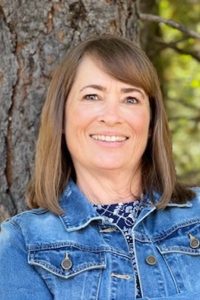
Jill Osborne
 Jill Osborne
1. Flashlight Under the Covers: Writing Books Kids Can’t Put
Down
How do we grab a child’s attention and keep it? As Christian writers, we have the awesome privilege of telling the next generation about the glorious deeds of the Lord, but they won’t get the message from our book if they don’t finish reading it.
In this workshop, you’ll learn five key elements you can infuse immediately into your WIP that will keep kids turning the pages. Will your work pass the flashlight test? Bring your headlamp and find out.
2. The Misunderstood Middle Grade Reader
They aren’t little kids (no way!), but they aren’t teens yet (hooray!)
Who is the Middle Grade Reader?
Come get a glimpse into the lives of preteens (age 8-12). We’ll explore their mindset, their interests, their strengths, and weaknesses.
And we’ll learn what goes into creating a main character who will stick with them like a mentor throughout their growing-up journey (and probably the rest of their life).
Joshua Pack
 Joshua Pack
Retelling Scripture Without Rewriting Scripture
Writing biblically rooted stories often leads to one of two extremes: either the story strays so far that it distorts the theology of the text, or the writer becomes so afraid of scriptural error that creative expression is stifled altogether. Whenever we imaginatively engage biblical material, we face an important question: are we illuminating the text, or are we quietly replacing it?
This workshop will help writers think carefully about how to retell, paraphrase, dramatize, or creatively adapt Scripture while remaining faithful to its meaning. We will explore the difference between faithful retelling and unfaithful rewriting, consider common dangers such as reduction, distortion, and over-invention, and discuss how creativity can serve rather than compete with the biblical text.
Attendees will gain a practical framework for approaching Scripture creatively, including how to identify the theological center of a passage, where imagination may responsibly enter, and what elements must remain unchanged. The goal is not to restrict creativity, but to strengthen it through reverence, clarity, and sound interpretation. The end result is work that sends readers back to Scripture with greater wonder rather than replacing Scripture with the writer’s own ideas.
Robin Patchen
 Robin Patchen
1. Tension, Anticipation, and Momentum in Every Scene
Even strong plots lose momentum when tension fades. Readers experience a story one line at a time, so anticipation must live on the page, not just in the plot.
In this session, you’ll learn practical techniques for sustaining tension within every scene, including how to use character agendas, delayed outcomes, unanswered questions, conflict, and friction to maintain engagement.
Walk away with repeatable, scene-level tools you can apply immediately—whether drafting or revising—to strengthen moment-to-moment reader investment and keep pages turning in any genre.
2. Beyond the Cliffhanger: Designing Page-Turning Fiction
Every writer wants to provide that “just one more chapter” experience for readers. This class will show you how to create addictive fiction—not through constant action or cliffhangers, but by weaving anticipation into your plot structure.
In this craft-focused session, you’ll discover how to build momentum at the macro level, where page-turning power originates. We’ll explore what keeps readers emotionally invested and desperate to know what happens next. We’ll cover how to use unanswered questions and unsolved mysteries, how to craft characters your readers pull for, and how to escalate stakes by making the danger more acute or the consequences more meaningful.
We’ll also examine how to design antagonistic forces powerful enough to make victory feel uncertain. Walk away knowing what makes plots compulsive—and how to apply those principles to any story you write. Whether you’re drafting or revising, no matter the genre, this approach will help you build fiction readers can’t put down.
Mary Pero
 Mary Pero
1. Building a Memoir: Premise, Plot, and Finding Your
Emotional Arc
You have the memories—but how do you turn them into a compelling memoir?
Learn how to uncover the deeper story beneath your experiences, shape your narrative, create momentum, and build an emotional arc that keeps readers invested from beginning to end. Whether you’re starting from scratch or working through a rough draft, this workshop will help you turn scattered memories into a compelling story.
2. “Show, Don’t Tell”—Now What? Storytelling Techniques for Memoir and
Nonfiction Writers
“Show, don’t tell!” We’ve heard the phrase a million times—but what does that actually look like on the page?
Whether you’re writing memoir or using personal stories to strengthen nonfiction, this workshop will help you write vivid, engaging scenes that pull readers into the moment instead of simply explaining it. Learn what every strong scene needs, how to write transitions that keep readers engaged, and how to avoid getting lost in unnecessary details.
Hannah Prewett
 Hannah Prewett
Handy Dandy Canva
(This workshop will be taught jointly with S.E. Clancy)
What if you could use the free Canva program for your platform AND graphics AND writing AND branding? This versatile website (and app) can give you a leg up on your journey. Imagination and creativity will help us solve the mystery!
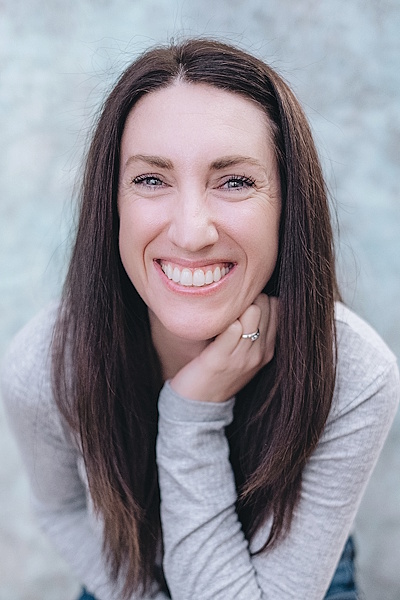
Nikki Rickman
 Nikki Rickman
Heroes, Villains & the Wounds They Carry
Ever wonder why two characters can survive the same event and yet emerge differently?
This workshop will explore how childhood wounds, trauma-linked fears and coping patterns shape believable heroes and villains. You’ll leave with practical tools to help trace the ripple effects within your characters, including a Fight / Flight / Freeze trauma-response handout for creating authentic scenes.
Rhonda Robinson
 Rhonda Robinson
1. Create Your AI-Powered Publishing Team
Sharpen your craft, build your platform, and launch your message without overwhelm
Traditionally, an author might need a book coach, editor, brand strategist, content strategist, social media manager, email marketer, publicist, launch manager, and project assistant. Most writers cannot hire that full team. But with the right skills, AI can help authors build a support system that fills many of the roles once available only to authors with big names and bigger budgets.
In this workshop, you will learn how to:
- Use AI as a strategic assistant for eliminating overwhelm.
- Create individual AI “agents” with team roles to build a tireless team.
- Run an AI audit, so you can learn how to refine your AI skills for time saving productivity.
2. Called to Write and Restoration in a Confused Culture
Christian are called to do more than critique culture. We are called show what is true, pursue what is good, and join in God’s work of restoration.
This workshop will help writers discern the worldview beneath today’s issues, anchor their message in truth, and write with courage, clarity, and compassion. Writers will leave inspired and equipped to use their craft to restore what culture has forgotten.
In this workshop, you will learn how to:
- Identify the cultural lies, human longings, and biblical truths beneath the issues you feel called to address.
- Anchor your message in a biblical foundation that offers more than opinion, outrage, or surface-level commentary.
- Shape your writing with courage, clarity, and compassion so truth can be received without being weakened.
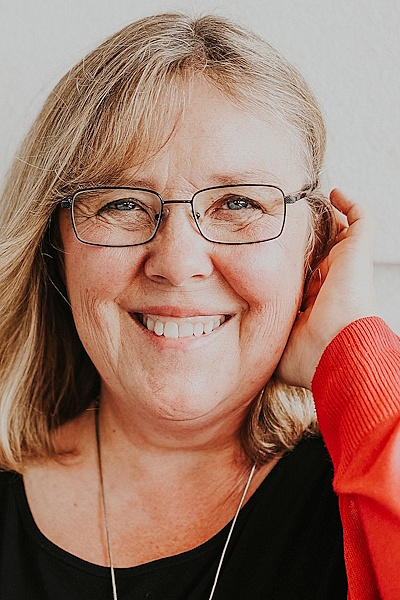
Lori Stanley Roeleveld
Seeking Publication at Midlife and Beyond
Older writer? Learn what you need to start (or start again) writing at your age.
Wondering if you’ve missed your chance? This workshop will answer your questions and help you create a wise next-step plan unique to you, your situation, and God’s call.
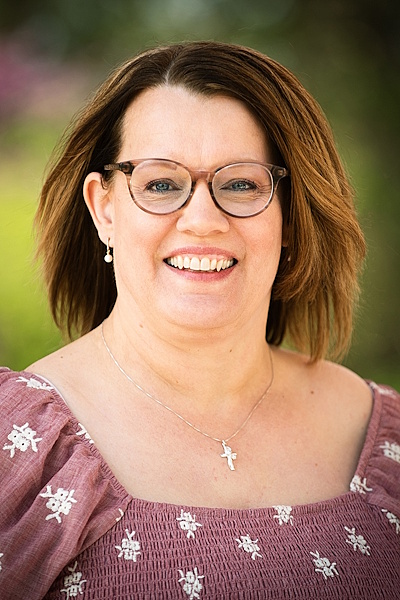
Lyneta Smith
 Lyneta Smith
Arresting the Grammar Burglars: Self-editing Practicum
What’s a dangling participle and how do I get rid of it? How do I change passive voice to active?
If these and other self-editing questions steal your writing joy, join this interactive workshop and learn how to put the grammar burglar behind bars.
Bring your own work in progress or practice on worksheets I provide. Let’s learn in a fun, relaxed environment!
Blossom Turner
 Blossom Turner
1. Show & Tell: The Secret Rhythm That Makes Fiction
Unforgettable
This workshop moves beyond the simple advice of “Show, Don’t Tell” to explore the rhythm and balance strong storytelling requires. Attendees will learn when telling is effective for pacing and scene setup, and when showing is essential to immerse readers emotionally and visually in the story world.
Through practical examples and hands-on techniques, writers will discover how to strengthen deep POV, internal monologue, dialogue, sensory detail, and emotional layering to create vivid, engaging fiction. The class will also cover how powerful verbs, suggestive imagery, and authentic character reactions can transform flat prose into scenes readers feel rather than merely observe.
Participants will learn how to identify weak telling by asking one key question. They will leave with practical tools to deepen emotion, sharpen characterization, write more cinematic scenes, and create stories so immersive readers forget they are reading at all.
2. Faith, History & Romance: Crafting Entertaining Love Stories with Eternal Impact
This workshop explores the heart of writing compelling Christian historical romance that is both entertaining and spiritually meaningful. Attendees will learn how to blend authentic historical detail, emotional depth, faith-driven character arcs, and slow-burn romance into stories that resonate deeply with readers.
We will cover reader expectations, integrating faith naturally into the story, creating believable historical settings and dialogue, writing authentic internal conflict, and building romance that reflects sacrifice, redemption, and spiritual growth. Writers will also learn how to avoid common pitfalls such as modern mindsets in historical settings, preachiness, unrealistic history, and shallow characterization.
Practical teaching will include research methods, using primary sources, writing deep POV, creating tension through limitations and social norms, and developing flawed yet sincere characters readers will love. Attendees will leave with a stronger understanding of the Christian historical romance market, tools for richer storytelling, and confidence to write stories that entertain while offering heart, hope, healing, and eternal truth.
Tiffany Vakilian
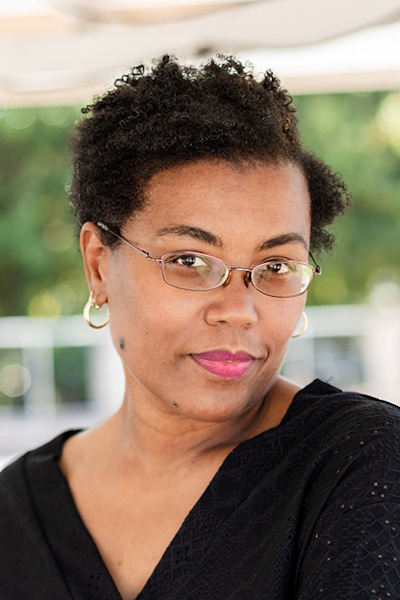 Tiffany Vakilian
Human Creativity in the Age of AI Writing Tools
AI is changing the way writers research, outline, write, edit, and publish. And yet, even AI admits that humans are still better (currently). Let’s explore how writers can use AI strategically without sacrificing originality, creativity, or control. We will also talk about how to safeguard our precious data.
This workshop explores how authors, editors, and content creators can thoughtfully engage AI tools while still protecting themselves. Participants will examine practical uses of AI, learn about emerging concerns regarding privacy, training data, and disclosure, and survey strategies for best use. You know, figuring out when AI is a strong technological consultant versus when it starts acting like a cyborg pirate.
Attendees will leave with clear definitions of what AI is, isn’t, and could be, plus practical questions to critically evaluate tools, and methods for protecting their intellectual property and voice. Grow your own informed perspective about AI’s role in the future of writing.
Nyla Watson
 Nyla Watson
1. The Gap Pt. 1: The Leap from Muggle to Author: The Fear of Switching Gears or Switching Genres
(Details to follow)
2. The Gap Pt. 2: You’re Not What You Do or Leaving Space Between Vocation and Identity
(Details to follow)